

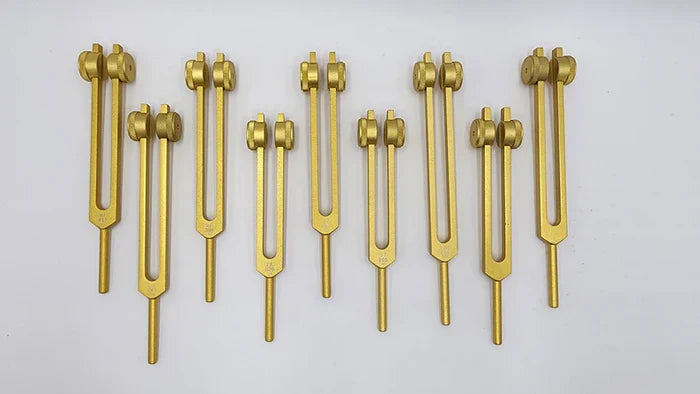
Sound is everywhere, yet its origins are often misunderstood. A question that continues to appear in physics discussions and academic searches is Is Tuning Fork A Source Of Sound? Known for its precise vibrations and clear tone, the tuning fork offers a practical way to understand how sound is produced and travels through a medium.
Exploring this concept not only strengthens basic physics knowledge but also clarifies why tuning forks are widely used in science, music, and therapeutic applications. This article breaks down the concept in a clear, accurate, and easy-to-understand manner.
Is Tuning Fork A Source Of Sound?
Yes, a tuning fork qualifies as a source of sound because it produces audible vibrations when struck. In line with your main command, this explanation is written in a professional, engaging, SEO-friendly, plagiarism-free style and within the word limit.
When the prongs of a tuning fork are hit against a surface, they vibrate at a fixed frequency. These vibrations cause nearby air molecules to move back and forth, forming sound waves that travel through the air and are detected by the human ear.
Since sound originates from vibrating objects, the tuning fork clearly meets this definition. Its ability to generate a stable and precise tone makes it especially valuable in scientific experiments, musical tuning, and therapeutic sound practices. This simple instrument offers a clear and reliable demonstration of how sound is created through vibration.
Also Read: Song Of The Spine Tuning Fork Set: Everything You Need To Know
Is A Tuning Fork An Instrument

Is Tuning Fork A Musical Instrument

A tuning fork is not considered a musical instrument in the traditional sense. Although it produces sound when struck, it is not designed to create music or melodies.
Instead, it generates a single, precise pitch that is mainly used for tuning other musical instruments, teaching sound principles, and scientific purposes.
Its function is supportive rather than performative, which is why it is classified as a sound-producing tool rather than a musical instrument.
What Is A Tuning Fork Used For
A tuning fork is used to produce a precise and consistent sound frequency. It is commonly used to tune musical instruments, demonstrate sound and vibration in physics, and conduct hearing tests in medical practice. Tuning forks are also used in sound therapy and research to study resonance and pitch accuracy. Their reliability makes them valuable in education, music, healthcare, and sound-based practices.
What Is The Meaning Of Tuning Fork

The meaning of a tuning fork refers to a simple metal instrument designed to produce a specific, fixed sound frequency when struck.
It usually has two prongs attached to a handle, and when the prongs vibrate, they create sound waves that can be heard or felt. A tuning fork is commonly used as a reference tool for tuning musical instruments, teaching sound principles in physics, and conducting medical hearing tests.
Its consistent vibration makes it valuable for accuracy and clarity. Beyond scientific and musical use, tuning forks are also applied in sound therapy to support relaxation and energy balance.
Also Read: 30 Best Sound Healing Instruments (Complete List)
What Is The Purpose Of A Tuning Fork
The purpose of a tuning fork is to produce a stable and accurate sound frequency for reference and demonstration. It is mainly used to tune musical instruments by providing a precise pitch.
In science, it helps explain sound, vibration, and resonance in a clear and practical way. In the medical field, tuning forks are used for hearing tests to assess sound conduction and nerve response.
They are also applied in sound therapy and research, where consistent vibration is essential. The tuning fork’s reliability makes it a valuable tool across music, education, healthcare, and sound-based practices.
Are Tuning Forks Dangerous For Anxiety
Tuning forks are generally not dangerous for anxiety when used properly. In fact, many people find their gentle vibrations calming and supportive for relaxation. Low-frequency tuning forks are often used in sound therapy to promote a sense of balance and mental ease.
However, sensitivity varies from person to person. Very loud stimulation, improper placement, or intense frequencies may feel overwhelming for some individuals with heightened anxiety.
It’s best to use them gently, for short sessions, and in a calm environment. Anyone with severe anxiety or sensory sensitivity should start slowly or consult a qualified practitioner before regular use.
Tuning Fork Frequency Chart
- 128 Hz – Grounding, C Note, Root Chakra
- 136.1 Hz – G Note, Energy Alignment
- 256 Hz – C Note, Meditation & Balance
- 288 Hz – D Note, Chakra Activation
- 320 Hz – E Note, Energy Clearing
- 341.3 Hz – F Note, Focus & Clarity
- 384 Hz – G Note, Harmony
- 432 Hz – Healing & Relaxation, Ideal Musical Tuning
- 528 Hz – Transformation, Miracle Tone, Solar Plexus Chakra
- 639 Hz – Connection, Heart Chakra
- 741 Hz – Awakening Intuition, Throat Chakra
- 852 Hz – Third Eye Activation, Higher Awareness
- 963 Hz – Crown Chakra, Spiritual Connection
- 1024 Hz – High Vibration, Meditation Deepening
- 4096 Hz – Tuning, Precision, Sound Therapy
Conclusion
A tuning fork is indeed a fascinating tool that demonstrates the fundamentals of sound production. When struck, its tines vibrate at a precise frequency, creating sound waves that travel through the air and can be heard. This simple yet powerful instrument is widely used in music, science experiments, and sound healing practices due to its ability to produce consistent and pure tones. Its vibrations not only help in tuning instruments but also aid in meditation, therapy, and energy balancing.
So, to answer the question clearly: Is Tuning Fork A Source Of Sound? — yes, it is. The sound it produces is a direct result of its vibrations, making it a perfect example of how mechanical motion can generate audible sound.


Leave a comment
This site is protected by hCaptcha and the hCaptcha Privacy Policy and Terms of Service apply.