


After a sound healing session, many people feel lighter, calmer, and more balanced — but the experience can go far deeper than that. As the soothing vibrations settle in, your body and mind begin to release stored tension, emotions, and energy blockages.
Whether you’re new to sound healing or have experienced it before, knowing what to expect can help you fully embrace its benefits. In this article, we’ll explore the physical, emotional, and energetic shifts that often follow a sound healing session and how to integrate them into your daily life.
What Is A Sound Healing Session?
A sound healing session is a deeply relaxing experience that uses the power of sound vibrations to restore balance in the body and mind. Practitioners use instruments like crystal singing bowls, tuning forks, gongs, or drums to create specific frequencies that resonate with your energy field.
These gentle sounds help slow down brain waves, calm the nervous system, and release stress or emotional blockages. During a session, you simply lie down, close your eyes, and allow the soothing tones to wash over you.
Many people describe it as a meditative journey that leaves them feeling refreshed, grounded, and deeply peaceful. Sound healing is not just about listening — it’s about realigning your body’s natural harmony from within.
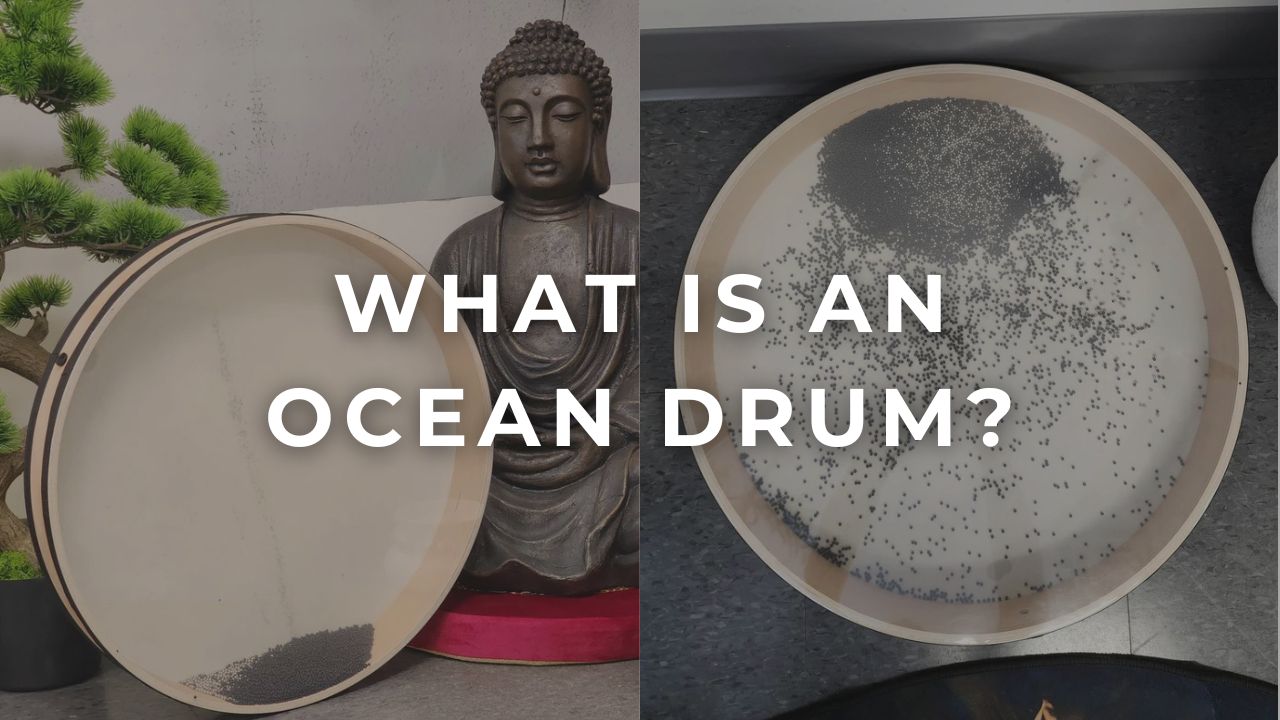
Also Read: What Is An Ocean Drum? Everything You Need To Know
What To Expect After A Sound Healing Session?
After a sound healing session, the world often feels a little softer, your breath a little deeper, and your mind much quieter. As the last vibration fades, you may notice a wave of calm washing through you — as if every cell in your body has taken a deep sigh of relief.
The soothing sounds continue to work within you even after the session ends. Some people feel light and energized, while others experience a gentle emotional release — a few tears, a smile, or a deep need to rest. It’s your body’s natural way of letting go of what no longer belongs. You may sleep more peacefully, feel more centered, or simply notice that life’s small stresses don’t affect you as much.
Sometimes, subtle physical sensations arise — warmth, tingling, or a floating feeling. These are signs that your energy is rebalancing. Drink plenty of water, move slowly, and give yourself space to simply be.
Every sound healing journey is unique. For some, it feels like coming home to themselves; for others, it’s the beginning of deep emotional healing. However it unfolds, trust that the vibrations are guiding you toward harmony — body, mind, and spirit.
Sound healing doesn’t just end when the session does — it continues to echo through your energy, gently tuning you back to your natural rhythm of peace.
Does Sound Healing Actually Work?

From my own experience as both a practitioner and a receiver, I can confidently say — yes, sound healing truly works. Over the years, I’ve witnessed incredible transformations in people, including myself. The gentle vibrations of crystal bowls, gongs, and tuning forks seem to reach places that words and touch cannot. They help the mind slow down, the body release tension, and the heart open up.
During sessions, I’ve seen stress melt away, anxiety soften, and deep emotional clarity emerge. Personally, sound healing has helped me find balance during times of chaos and reconnect with my inner peace. While it may feel subtle at first, the effects run deep — aligning energy, calming the nervous system, and restoring harmony on all levels. Sound healing isn’t magic; it’s pure resonance — a reminder that healing begins when we allow ourselves to listen, feel, and simply receive.
Also Read: 5 Crystal Singing Pyramid Benefits
What Do You Do During Sound Healing?

During a sound healing session, my role is to create a safe, peaceful space where sound can do its gentle magic. I usually begin by inviting the person to lie down, close their eyes, and simply relax. As they settle in, I intuitively choose instruments — crystal singing bowls, tuning forks, chimes, or a gong — depending on the energy I sense in the moment.
Each sound is played with intention. I allow the vibrations to flow through the room, guiding them toward areas that feel heavy or blocked. It’s not about performing — it’s about listening, feeling, and letting the frequencies do their work.
Sometimes I notice shifts — a deep breath, a tear, a smile — signs that the sound is reaching the soul. My focus is always on helping the person reconnect with their natural balance, peace, and inner stillness. Every session feels sacred, unique, and beautifully alive.
What Are The 5 Healing Sounds?
In sound healing, there are five sacred sounds often used to bring harmony to the body and mind. Each one connects with a specific element and organ, helping release stuck emotions and restore flow.
- “Sss” – linked to the lungs and the metal element, this sound helps release grief and create space for calm breathing.
- “Whooo” – connected to the kidneys and water element, it soothes fear and restores emotional strength.
- “Shhh” – related to the liver and wood element, this sound eases anger and encourages patience.
- “Hawww” – resonates with the heart and fire element, helping open the heart and release impatience.
- “Chooo” – associated with the spleen and earth element, it supports digestion and grounds your energy.
When practiced mindfully, these sounds can create a deep sense of peace and energetic alignment within.
Who Should Avoid Sound Healing?
While sound healing is gentle and safe for most people, there are certain situations where caution is needed. From my experience as a practitioner, individuals with epilepsy or severe neurological conditions should consult their doctor before attending a session, as strong vibrations or frequencies might trigger a reaction. Similarly, anyone with recent surgery, pacemakers, or implanted medical devices should get medical guidance first.
Pregnant women should also approach sound healing with care, especially in the first trimester, as some instruments produce intense vibrations. Finally, if someone is experiencing severe mental health crises, it’s best to seek professional medical support before attending a session, though sound healing can be beneficial afterward as a complementary practice.
Sound healing is powerful, but safety and awareness are key. Listening to your body and consulting professionals ensures the experience remains truly healing.
How Long Does A Sound Healing Session Last?

From my experience as a practitioner, a typical sound healing session usually lasts between 45 minutes to an hour, though it can sometimes extend up to 90 minutes depending on individual needs. Sessions often begin with a brief check-in, where I ask about your current physical, emotional, or energetic state. Then, the actual sound immersion begins, using instruments like crystal bowls, gongs, or tuning forks to guide the body and mind into deep relaxation.
For beginners, shorter sessions can be ideal to gradually adjust to the vibrations, while regular practitioners may benefit from longer, more immersive experiences. Regardless of the length, every session is designed to help you release tension, rebalance your energy, and leave feeling lighter, calmer, and more centered.
Would you like me to write the next section: “How Often Should You Go For Sound Healing?” in the same tone?
What Not To Do After A Sound Bath?
From my experience guiding sound healing sessions, how you care for yourself afterward is just as important as the session itself. After a sound bath, avoid rushing into stressful activities — your body and mind need time to integrate the vibrations. Try not to immediately check your phone or overwhelm yourself with tasks.
It’s also best to avoid heavy meals or alcohol, as they can interfere with the subtle energetic shifts taking place. Intense exercise or high-stimulation activities right after a session may disrupt your sense of calm. Lastly, don’t ignore any emotions that surface; let them flow naturally instead of suppressing them.
By giving yourself gentle space, rest, and mindful attention, you allow the healing sounds to continue working, leaving you feeling balanced, centered, and refreshed long after the session ends.
FAQ
1. How will I feel immediately after a sound healing session?
Most people feel deeply relaxed, calm, and mentally clear. Some notice a lightness in their body or gentle emotional release.
2. Can sound healing help with stress and anxiety?
Yes. The vibrations help slow down brain waves, calm the nervous system, and release tension, making it effective for stress and anxiety relief.
3. How long do the benefits of sound healing last?
Many feel immediate relaxation, while deeper energetic shifts may continue for hours or even days. Regular sessions can enhance long-term effects.
4. Is it normal to feel emotional during a session?
Absolutely. Emotional release, tears, or deep introspection are natural signs that stored energy is being released.
5. Can anyone attend a sound healing session?
While most people can benefit, those with epilepsy, pacemakers, recent surgery, or severe health conditions should consult their doctor first.
6. Should I do anything after the session to integrate the benefits?
Yes. Drink water, rest, spend time in nature, or journal to help your body and mind fully absorb the healing.
7. How often should I attend sound healing sessions?
It depends on individual needs. Beginners may start with once a week, while regular practitioners might attend every two weeks or monthly.
8. Can sound healing replace medical treatment?
No. Sound healing is a complementary practice. It supports emotional and energetic balance but should not replace professional medical care.
Also Read: Is Sound Bath New Age?
Conclusion
Experiencing a sound healing session is like giving your mind, body, and spirit a gentle reset. The vibrations continue to work long after the session, helping you release tension, find clarity, and reconnect with your inner balance.
Everyone’s journey is unique, and the subtle shifts you feel are signs of deep realignment. By honoring your body, resting, and staying mindful afterward, you allow the healing to fully integrate. Remember, sound healing is not just a session — it’s a doorway to peace, calm, and renewed energy in your everyday life.


Leave a comment
This site is protected by hCaptcha and the hCaptcha Privacy Policy and Terms of Service apply.